

Loneliness and isolation come up over and over in my therapy practice. A lot of people feeling really lonely. And also feeling really alone in feeling that way.
Which is unfortunate, because it’s incredibly common.
Many of us grew up surrounded by people. School created built-in social circles. University did too. Early adulthood often came with roommates, coworkers, parties, group chats, shared experiences, and friendships that felt almost effortless simply because proximity did so much of the work for us. And when relationships form during those stages of life, I think many of us quietly assume they’ll naturally carry through adulthood unchanged.
Sometimes they do.
But often life shifts things.
People move away. Relationships evolve. Careers become consuming. Children arrive. Divorce happens. Illness happens. Burnout happens. Priorities change. Interests diverge. Time becomes fragmented. Energy becomes limited. And suddenly, maintaining connection requires a level of intentionality that many of us were never really taught how to navigate.
What once happened organically now requires planning. You have to text first. Coordinate schedules weeks in advance. Leave your house when you’re already tired. Risk awkwardness. Risk rejection. Risk being the person who reaches out more. And I think many adults quietly underestimate how emotionally vulnerable friendship actually becomes later in life.
Because unlike childhood or university, there are fewer built-in structures for creating closeness. Which means many people find themselves deeply craving connection while simultaneously feeling unsure how to create it.
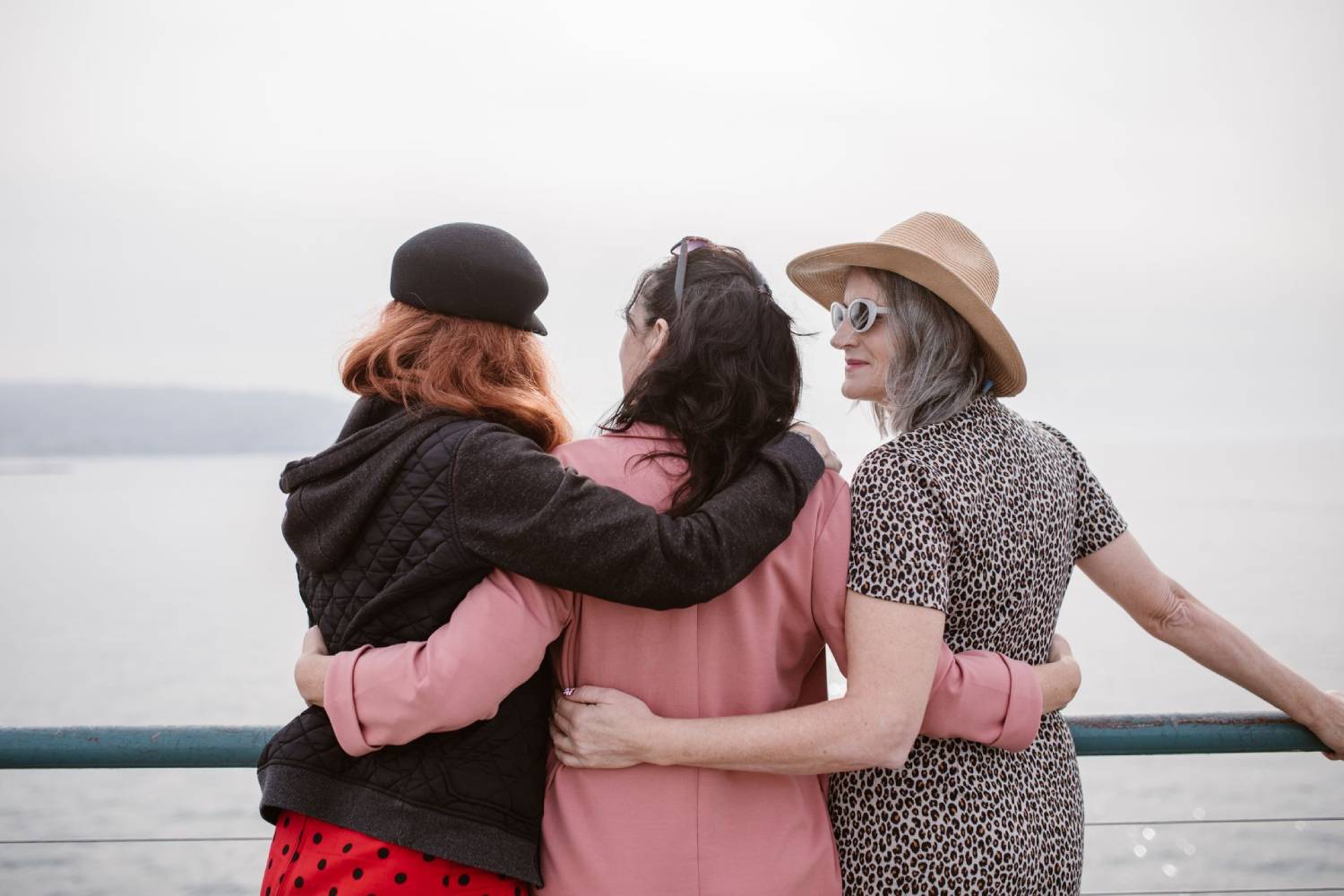
Friendship often needs to be rebuilt throughout adulthood
One of the things I wish we talked about more openly is that friendship and community often need to be rebuilt repeatedly throughout adulthood. Not because we’ve failed socially. Not because we’re unlikeable. But because human beings keep changing.
The version of you that existed at twenty-two may not be the version of you that exists at forty-two.
Sometimes we outgrow dynamics that once felt comfortable. Sometimes relationships become one-sided. Sometimes life stages stop aligning. Sometimes people we love deeply are simply no longer emotionally available in the same ways they once were. And sometimes grief quietly enters where connection used to exist.
That grief is real. I think many people minimize it because friendship loss is not always socially recognized in the same way romantic loss is. But losing closeness, community, or a sense of belonging can feel profoundly painful.
At the same time, I also think there’s something hopeful about recognizing that relationships are not only things we inherit from earlier chapters of life. They are also things we can continue building.
There are still opportunities to meet people who know you as you are now. Not just who you were at twenty-two. People who share your current values, pace of life, interests, humour, emotional depth, or lived experiences. And interestingly, I think many adult friendships become deeper precisely because people become more comfortable with themselves over time. There can be less performing. Less posturing. Less trying to fit into identities that never fully fit in the first place.
Of course, building those relationships often requires tolerating discomfort. Adult friendship can involve initiating more than feels comfortable. Joining things alone. Following up after meeting someone. Being willing to say, “We should grab coffee sometime,” and actually meaning it. Which sounds simple, but emotionally it can feel surprisingly exposing, especially for people who already feel lonely.
So many people are quietly feeling the same way
One of the saddest parts of loneliness is how convincing it can become. People often start believing their isolation means something personal about them. That everyone else already has close friendships figured out. That they somehow missed the window for meaningful connection.
Meanwhile, many other people are sitting at home having the exact same thought.
Wondering if it’s too late to make close friends. Wondering why maintaining connection feels harder than it used to. Wondering whether everyone else belongs somewhere except them. Wondering if they should text first. Wondering if they’re the only adult who feels this disconnected.
They are not.
I think there are far more adults craving deeper connection than we openly acknowledge. But loneliness often creates silence instead of vulnerability. People withdraw. They wait for others to initiate. They assume they are uniquely unwanted. And because everyone is privately assuming the same thing, nobody moves.
Which is part of why small moments of courage matter so much.
The text message. The invitation. The follow-up. The willingness to say yes. The willingness to admit you’d actually like more connection in your life.
Not every attempt will turn into a meaningful friendship. Some relationships will stay surface level. Some people won’t reciprocate. Some connections will fade.
But others won’t.
And if you’re feeling lonely right now, I genuinely hope you know this: there are so many other people quietly hoping someone else makes the first move too.